Introduction
If you’re looking for a stylish addition to your home or office, herringbone limestone tiles are a great option. Their angled pattern adds visual movement and creates a sense of elegance, which is perfect for narrow hallways, bright kitchens, modern bathrooms and open living spaces.
Because it can add depth and make smaller areas feel wider. These tiles suit a lot of different styles, from classic to modern homes. Coming in various sizes, colors, and materials, they are simple to pair with your floors, walls and furniture. People like them because they look sophisticated but are still friendly and welcoming.
It can help us see right through the room by drawing the eye. This pattern is an excellent option for homes that do not get a lot of natural light.
This comprehensive guide will cover the insides of what goes into planning a herringbone limestone tiles design for a renovation or new build, from designs, stone features, installation methods, maintenance, expense, eco-friendliness, and the latest trends.
Design Aesthetic
When designing with herringbone tiles, you’re going to get a visual impact that’s hard to miss. The angled layout gives the appearance of a “V” and takes charge of the direction of the room, and coming hotfooting away from boring, flat designs.
Adding a touch of excitement to any space. The repeating pattern is basically guaranteed to be balanced and works perfectly with anything from vibrant shades to soothing neutrals.
This pattern’s got several advantages that make it a designer’s dream, too.
- It’s got movement, making your eye move through the space.
- Expands tight spaces by cutting through the perception of narrowness, is versatile enough to fit into anything from a rustic cottage to a modern apartment, high-end mansion or whatever in between.
- It gives walls and floors real personality, and can be laid out in three different ways: up, down, or diagonally.
- Lots of people throw this pattern up on shower walls, kick-start kitchen backsplashes, and turn living areas into feature spaces, and it’s a look that never goes out of style.
Limestone as a Material
Limestone is a great option that provides a soft and organic feel to any space, when laying out a herringbone pattern. The millions of years of time it takes for limestone to form results in every tile having its own texture and tone. It adds more interest and uniqueness to a herringbone pattern.
- Colors:
Its colours consist mainly of warm tones, cream, beige, grey and taupe, and go well with most schemes.
- Soft texture
The surface of the stone has a delicate feel that’s strong enough for everyday use.
- Natural Durability
Its natural hardness allows heavy foot traffic with sealing and limestone is also fairly durable and resistant to erosion and rough usage.
- Unique Character
Furthermore, it’s enhanced with moss and fossilized features that add aesthetic value without overpowering other elements.
It’s very well suited to blend in well with an array of materials. With wood for a naturalistic look, metal and glass to create high-tech spaces, many houses find it fitting for traditional dwellings and modern homes equally well.
Installation Considerations
Accuracy is everything; the pattern relies on a central starting point and any mistake will throw off the entire layout when laying herringbone tiles. A small amount of spare tiles is needed, but most especially around the edges in smaller rooms.
1- Coming from the centre, the layout is kept balanced.
2- Laying the tiles out dry, without adhesive, is an excellent way to check the alignment.
3- The Right adhesive is a must, ensuring that the tile and the room’s conditions are in harmony.
4- Accurate cutting, carried out at precisely calculated angles, will help the finished pattern look even and clean.
5- The right choice of grout in shades may blend with that of the tiles, but its colour affects the final look.
6- Sealing, especially for limestone, protects it from stains and water.
The time required for installing herringbone tiles is greater than for simple patterns; nevertheless, the result is usually justified.
Maintenance and Care
As for cleaning and looking after herringbone tiles, you’ll find that they’re quite low-maintenance.
Limestone is best cleaned with gentle, non-acidic cleaners. Regular sweeping and mopping will keep the floor in great shape. A good sealant will protect it from moisture and stains over time.
Here are the basics:
- Daily sweeping takes care of any dust and helps stop tiny scratches.
- Using a neutral cleaner is good for the surface.
- Quickly cleaning up spills reduces the risk of ugly marks on the stone.
- Resealing the surface when needed is something to be done according to the manufacturer’s guidelines.
- You can also lay down mats at the entrance to your home to keep dirt from spreading.
Coming hotfooting from the garden or the office, kitchens and bathrooms may need a bit more TLC due to the amount of splashes and moisture. But in general, herringbone limestone is very resilient and stands up well to day-to-day wear and tear.
Cost Considerations
When planning to use herringbone tiles for a flooring or wall covering, you’ll need to take into account the expense. This is because the cost can vary depending on the material, size of the tile, and the complexity of the installation. And, unfortunately, natural stone like limestone is at the higher end of the spectrum.
A few factors play into the final price:
Material: Coming from different materials, stone usually outprices porcelain.
Tile size: Smaller tiles demand more time to lay.
Room layout: fiddly spaces mean more cuts are needed.
Installation difficulty: The herringbone pattern also takes longer to lay, and this, coupled with higher labour costs, adds to the expense.
Finishing touches: And then there are the finishing touches, sealing, grouting and edge details that push up the final bill.
Despite the higher upfront cost, many see this kind of investment as a worthwhile way to add character to their home and, to be fair, it gives a real boost to the property’s value.
Environmental Impact
When choosing herringbone tiles, you’re looking at the environmental impact of the materials they’re made of.
Limestone is a natural stone that requires quarrying, processing, and transport. Which isn’t exactly sustainable, but responsible suppliers have found ways to be more energy efficient and cut down on waste.
Key eco-friendly points:
Responsible sourcing: Coming from the quarry to the home, the eco-friendly aspects to keep in mind are responsible sourcing of the stone.
Low-VOC adhesives: The use of low-VOC adhesives to keep the air in your home clean. Recycled content: The use of recycled content, like recycled minerals or clay.
Durability: The more durable your tiles are, the fewer replacements you’ll need and the less waste we’ll produce.
Efficient transport: Shorter transport distances also reduce carbon emissions, and you’ll be happy to know that herringbone layouts are suitable for the long term as they’re durable and timeless.
Trends and Inspirations
As for herringbone flooring, a trend that’s on the rise is warm and inviting tones. Designers have picked up on this to create increasingly popular herringbone patterns.
Soft beige, warm grey and neutral stone colours are being used to calm down spaces, and rough surfaces add a touch of character.
Current design ideas include:
Large format layouts: Coming hotfooting into the scene are larger format tiles that sweep away the old fragmented look.
Mixed textures: mixed textures between matte and lightly honed finishes that throw in a new dimension.
Feature walls: Feature walls that go up vertically in kitchens and bathrooms.
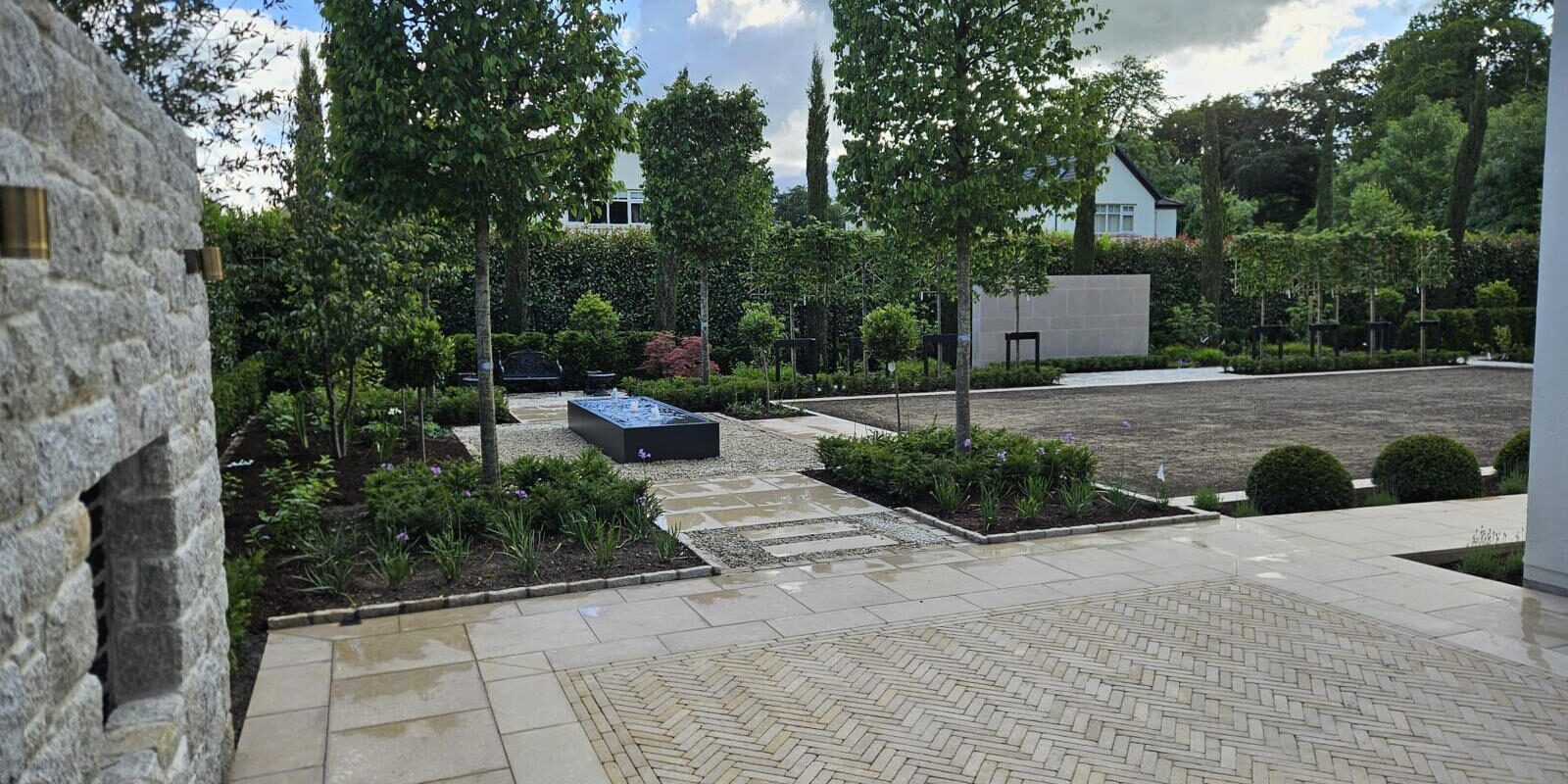
Outdoor extensions: Hardier stone tiles are being used for outdoor spaces, patios and garden rooms.
Contrasting grout: Dark grout is being used to send the patterns off the charts.
Minimalist interiors: This is where the angular herringbone becomes the real showstopper.
Designers have found that this pattern is so adaptable, it’s been used in both revamps and brand-new builds.
Practical Uses and Applications
For adding visual appeal and elegance to any room in the house, herringbone tiles are a versatile choice that offers both style and practicality.
Common uses:
Kitchens: The most common uses of herringbone tiles are above kitchen counters. bathroom showers, and full height walls, hallways and living rooms, areas patios and stone floors.
Bathrooms: They’re also adaptable to different bathroom needs, providing excellent movement for people and can make showers and full-height walls come to life.
Hallways: Herringbone tiles tend to narrow spaces.
Living rooms: They create a serene feel in stone floor living rooms.
Outdoor areas: And because they don’t require regrouting in outdoor areas, sealed stone herringbone tiles are well-suited for patios and stone works great.
One more benefit is that they are completely compatible with underfloor heating and making them the ideal option for modern homes.
Tips for Choosing the Right Tiles
There are several factors to consider when deciding on the best tile option for your home. Room style, budget, and conditions all play a role, think about the light, colour tones, daily foot traffic, and how much maintenance you’re willing to do.
Check room size: Coming up against a smaller space? Medium tiles can create a more balanced aesthetic.
Review samples: Want to make sure the look of the tiles won’t be drastically different, then review some natural stone samples.
Consider colour: A soft tone option can transform a low-lit room. Check the amount of sunlight you’re working with when making your decision.
Think about texture: Brushed and tumbled finishes have a warmth that creates beautiful lines.
Plan the layout: Take your time in planning your layout; a dry run really helps confirm that it’s possible to get your tiles in the position you want them.
Ask for sealing guidance: Don’t ask me to do anything about sealing; ask the supplier for guidance, as they know the products.
Choose suitable grout: If you get the perfect colours and you’re not going to spend all day cleaning every week, then choose a close-knit colour of grout, as this creates a completely calming finish.
Long-Term Benefits
When it comes to a design pattern for a home, the angled layout delivers an attractive look that remains relevant for many years and adjusts to changing home décor.
Coming in at a slight angle, it is more efficient in hiding small marks than straight lines, which makes it perfect for busy homes. The stone version of the angled layout, with its natural aging process and more, becomes more characterful and visually beautiful over time.
Classic design, longevity, strength, high price, the capacity to blend with future fashions, a sense of well-being and being able to work with any type of heating systems are the long-term benefits that this layout offers.
People who choose the angled pattern, usually do so because it will provide them with a combination of stunning looks, power and flexibility.
Conclusion
When it comes to the aesthetic of home design, the herringbone pattern has taken the world by storm, and for good reason.
With their sophisticated charm, inviting refined pattern, and striking statement, they can elevate kitchens, bathrooms, hallways and living areas in an instant. Adding to that, limestone is elegance, plus practicality.
Well-known to be the key to a beautiful balance is appropriate placement, and regular servicing will keep those herringbone tiles looking their absolute best.
Being that they’re now trendy doesn’t mean herringbone tiles won’t be in vogue in 20 years, they’re basically a timeless classic and will give those who install them the peace of mind that their kitchen renovation will be something they can be proud of.